
Indoor Air Quality
Indoor Air Quality
This report documents preliminary indoor air quality (IAQ) measurements conducted at a Major Hotel & Resort Chain in the Caribbean. The purpose of this assessment was to establish baseline environmental conditions in preparation for efficacy testing of the Exhale Laminar Flow Radial Ceiling Fan system.
Testing was carried out in three indoor locations:

Ocean View Gymnasium

Mountain View Gymnasium

Selected Guest Room
Methodology & Conditions
Measurements were taken using calibrated indoor air quality meter along with temperature and humidity sensors positioned at multiple levels (high, middle, and low). All areas tested were air-conditioned and operational at the time of assessment.
Testing commenced at approximately 10:30 AM under normal atmospheric conditions, with clear skies and typical regional temperatures.
Key Observations & Data
Sensors were placed at high, mid-level, and low positions. IAQ meter positioned near the entrance, outside direct airflow of the AC system.
Humidity Readings:
IAQ readings indicated poor indoor air quality, suggesting insufficient ventilation
Sensors were placed opposite the entry point to assess airflow distribution.
IAQ meter positioned centrally.
Humidity Readings:
IAQ meter indicated elevated carbon dioxide levels (exceeding 200 ppm) and overall poor indoor air quality.
Sensors were placed at the far end of the room, opposite the entrance.
IAQ meter positioned mid-room.
Humidity Readings:
IAQ readings indicated poor air quality, with accumulation of pollutants and limited air exchange.
Summary of Findings
The assessment highlights limitations in the current HVAC systems’ ability to provide effective and consistent air circulation. This results in stagnant air zones, where humidity and airborne contaminants accumulate.
What is the ideal humidity for Prevention of mold growth?
The ideal indoor humidity level to prevent mold growth is between 30 and 50 percent. Keeping your home’s humidity in this range helps minimize the growth of mold, dust mites, and other moisture-loving allergens. In colder climates or during the heating season, you might want to keep it a bit lower—around 30 to 40 percent—to avoid condensation on windows, which can also encourage mold growth.
If humidity rises above 50 percent, mold and dust mites can thrive, so it’s smart to use a hygrometer to monitor levels and a dehumidifier if needed.
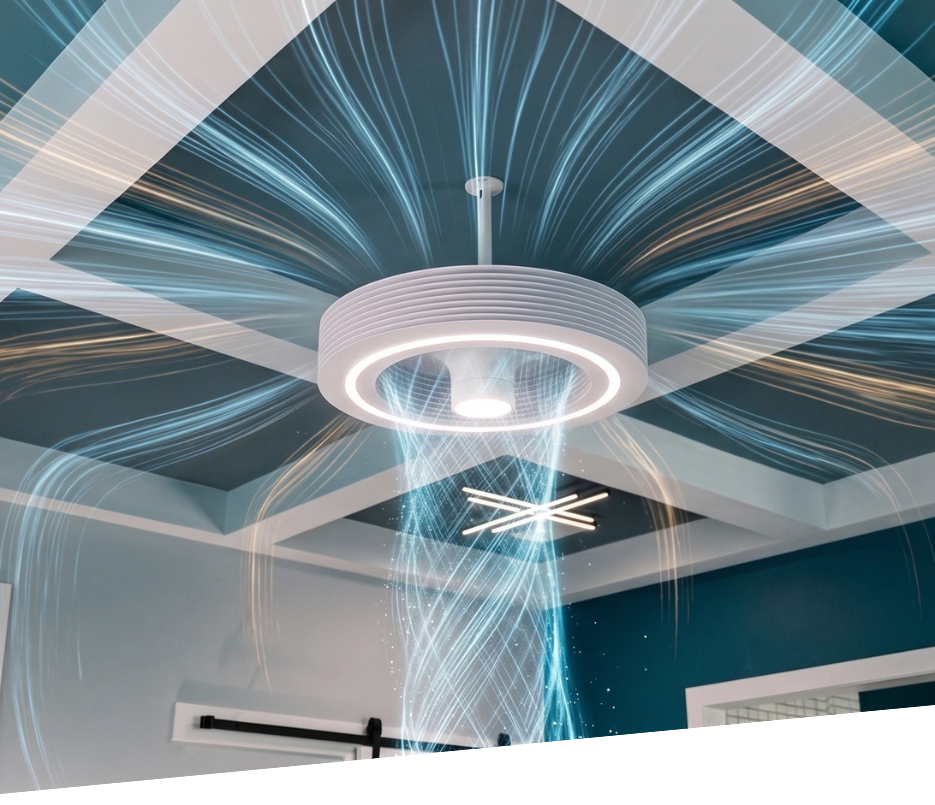
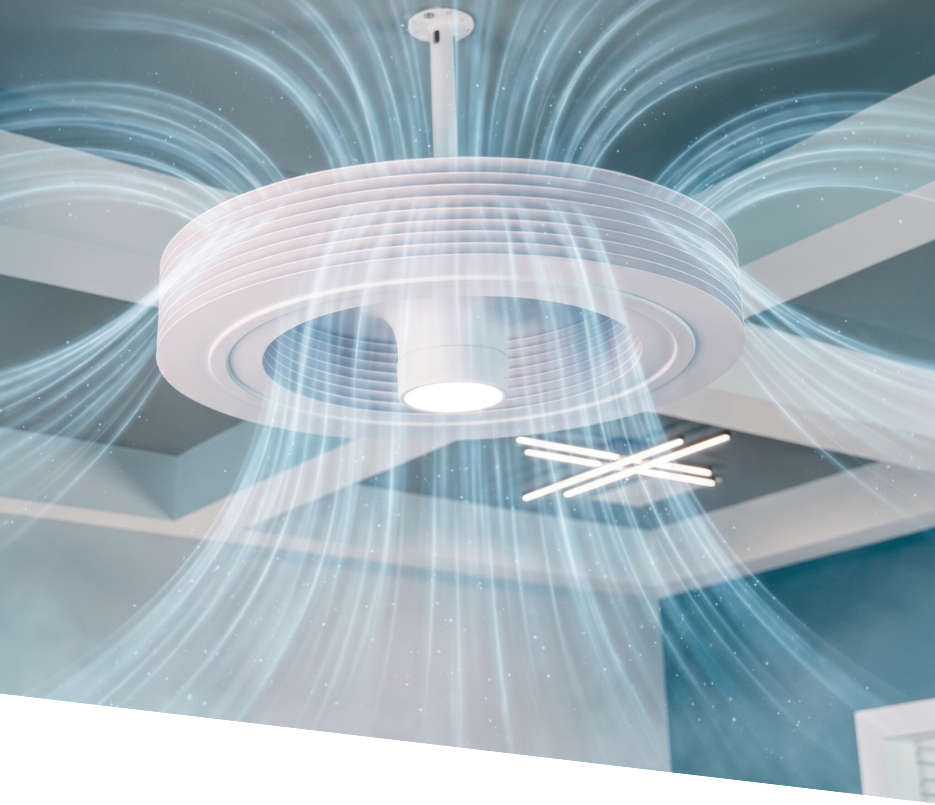
Can indoor fans help reduce mold growth?
Fans can help reduce mold growth—but only when used the right way. Our team found that fans improve airflow and help dry out damp areas, which makes it harder for mold and mildew to thrive. For example, in bathrooms, running the exhaust fan for about 20 minutes before and after a shower can help keep surfaces dry and subdue fungi growth. In musty basements, opening windows and running fans can help circulate air and dry out moisture, which is key to stopping mold from spreading.
However, fans alone aren’t enough if there’s a continuous source of moisture, like leaks or flooding. In those cases, you’ll need to fix the source and may also want to use a dehumidifier to keep humidity in the ideal range (30–50 percent).